Your trusted partner for premium 3C digital accessories and global supply chain solutions


 31 Jul 2026
 Admin
Admin
Power Banks in 2025: What Your Business Needs to Know Before You Source
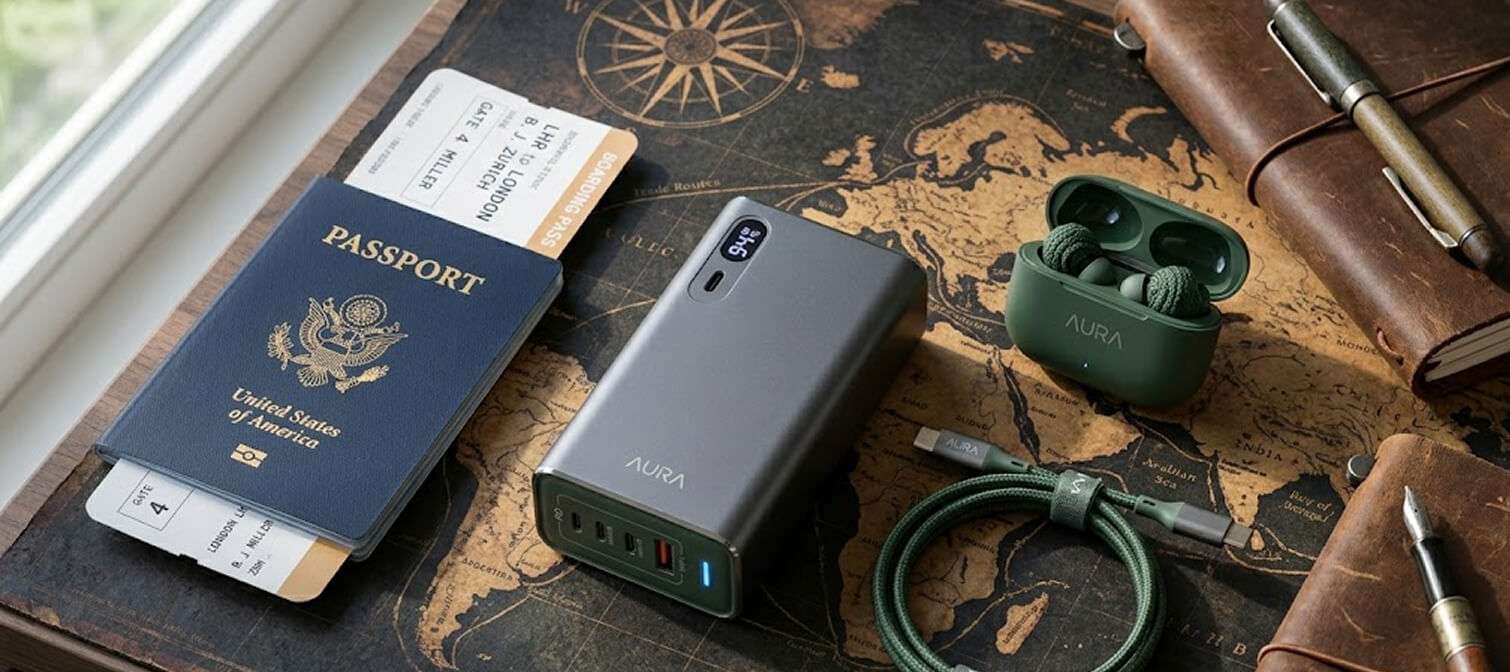
Power banks remain one of the highest-demand portable accessories globally — but the market is also saturated with unreliable products. For businesses sourcing in bulk, one wrong decision can damage your brand reputation, trigger costly returns, or even create legal liabilities. This guide breaks down everything you need to know — from capacity ratings and battery cell grades to certifications, shipping rules, and the trends shaping demand in 2025.
|
|
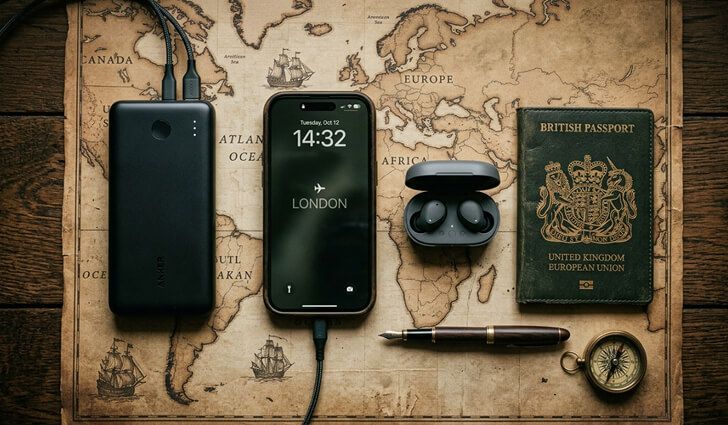
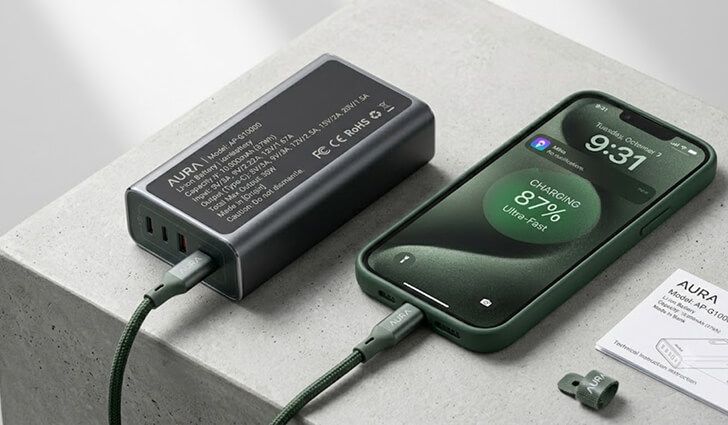
Understanding mAh Ratings — And Why They Can Mislead YouThe first number most buyers look at is mAh — milliamp hours — which is supposed to tell you how much energy a power bank stores. A 20,000mAh power bank should charge a typical smartphone 4–5 times. But here's the problem: not all mAh ratings are honest. Many manufacturers rate capacity at the battery cell level (3.7V), while the actual usable output is at 5V (USB standard). This conversion, combined with energy loss from heat and circuit inefficiency, means real-world capacity can be 60–70% of the advertised number. A "10,000mAh" power bank might actually deliver only 6,000–7,000mAh to your device. Always ask suppliers for the output capacity at 5V, not just the cell-level mAh rating. Reputable manufacturers will provide this data — if they can't, that's a red flag. |
Battery Cell Quality: A-Grade vs Recycled Cells
The single most important factor in a power bank's reliability, safety, and lifespan is the quality of its internal battery cells. This is where most low-cost products cut corners — and where buyers pay the price later.
Frequently Asked Questions
Quick Answers To Common Questions